

Imagine a dessert that wraps you in warmth, taking you back to childhood kitchens. Creamy rice pudding is more than a dessert—it’s a trip down memory lane. It turns simple ingredients into culinary magic. Start your homemade rice pudding journey here for a creamy treat that will warm your heart.
This classic dessert mixes rice, milk, and eggs into a smooth delight. It’s loved by many, and it’s easy to make. Whether you’re an experienced baker or new to the kitchen, this recipe will become your go-to comfort food.
Key Takeaways
- Discover the ultimate homemade rice pudding recipe
- Learn secrets to achieving the perfect creamy texture
- Explore versatile ingredient variations
- Understand the cultural significance of rice pudding
- Master simple cooking techniques for delicious results
Introduction to Classic Rice Pudding
Rice pudding is a timeless treat that has won hearts for centuries. It’s more than a dessert; it’s a journey through history and culture.
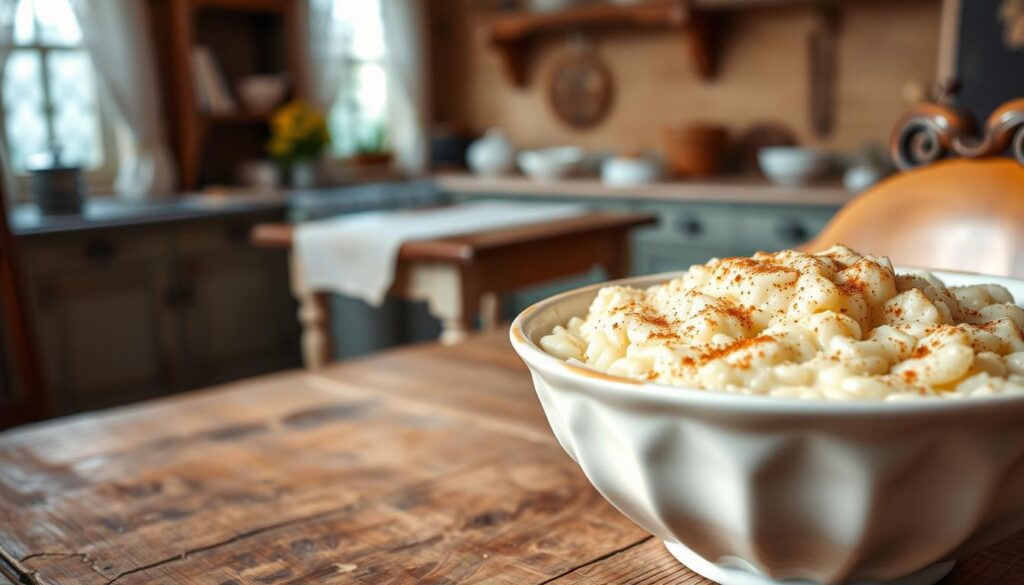
The history of rice pudding goes back thousands of years. It started in ancient India around 6000 BC. Back then, it was called Kheer. Over time, it has changed a lot.
Origins and Cultural Significance
Rice pudding is loved all over the world. Each culture has made it their own, showing off their cooking traditions:
- American Rice Pudding: Creamy and sweet, often topped with cinnamon
- Arroz con Leche (Latin America): Sweetened with cinnamon and cloves
- Kheer (India): Flavored with cardamom and saffron
- European Versions: Including British and Swedish styles
Why Rice Pudding Remains a Beloved Dessert
People love rice pudding because it’s comforting and can be made in many ways. Families share their recipes, keeping their traditions alive.
| Region | Unique Characteristics |
|---|---|
| India | Saffron and cardamom flavoring |
| Latin America | Cinnamon and raisin variations |
| United States | Creamy texture with varied toppings |
Looking for a classic treat or wanting to try something new? Rice pudding has something for everyone. Its simple yet rich taste makes it a favorite dessert around the world.
Essential Ingredients for Perfect Rice Pudding
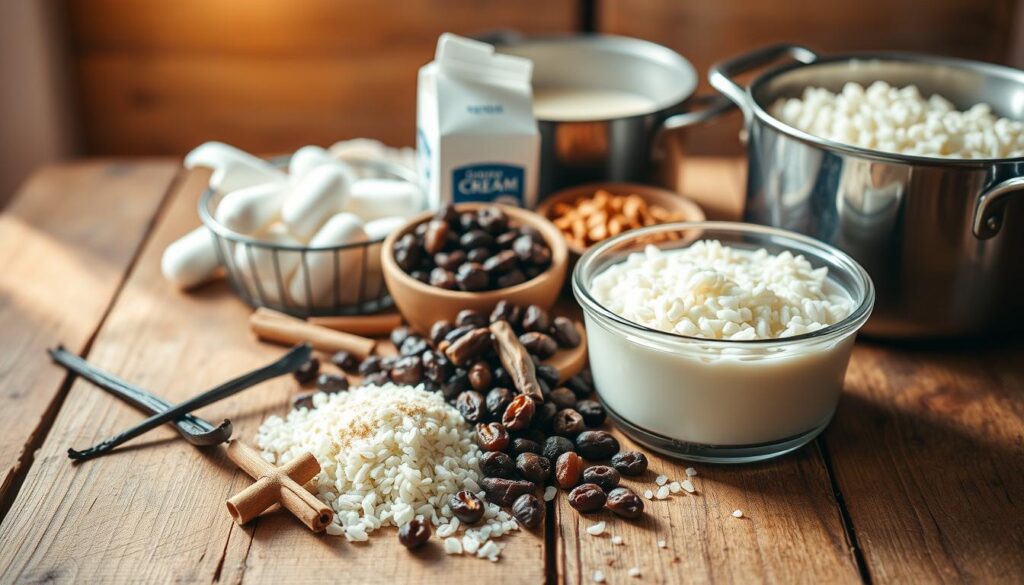
Making easy rice pudding begins with picking top-notch ingredients. These ingredients turn simple parts into a tasty dessert. Your creamy rice pudding with cinnamon needs the right mix to get the perfect taste and texture.
The main ingredients for a tasty rice pudding are:
- Whole milk – gives rich creaminess
- Cooked rice – best if it’s medium-grain
- Granulated sugar – adds sweetness
- Eggs – make it smooth like custard
- Vanilla extract – boosts the flavor
- Ground cinnamon – adds warm, aromatic notes
Choosing quality ingredients is key. Whole milk makes it richer than low-fat options. Fresh eggs and top-notch vanilla extract can make your rice pudding stand out.
Adding these can make your dessert even better:
- Raisins for natural sweetness
- Nutmeg for more warmth
- Heavy cream for extra indulgence
Getting the right amounts is crucial for perfect creamy rice pudding with cinnamon. You want each bite to be full of flavor and smooth.
Step-by-Step Guide to Creamy Rice Pudding
Making a tasty homemade rice pudding is easy. This simple recipe will guide you through each step. You’ll end up with a creamy dessert that will wow your loved ones.
Preparing the Rice Base
Choose the right rice for your pudding. Short-grain or medium-grain rice is best for a creamy texture. Here’s how to prepare it:
- Rinse 1 cup of rice well
- Put rice and 2 cups of water in a medium saucepan
- Heat until boiling, then lower heat and simmer for 15-20 minutes
- Cook until the rice is 165°F to 170°F
Creating the Creamy Mixture
After cooking your rice, it’s time to make it creamy. Mix the ingredients carefully:
- Mix 3 cups of whole milk with the cooked rice
- Add 1/3 cup sugar and a pinch of salt
- Whisk 6 egg yolks in a separate bowl
- Slowly add the egg yolks to the rice mixture
Final Touches and Seasoning
The final steps will make your pudding amazing:
- Add 2 tablespoons of butter
- Stir in 1 teaspoon vanilla extract
- Optional: Sprinkle with cinnamon or nutmeg
- Cook for 3-5 more minutes until it thickens
Pro tip: Stir the pudding every 10 minutes. This prevents sticking and keeps it smooth.
| Ingredient | Quantity | Purpose |
|---|---|---|
| Rice | 1 cup | Base of pudding |
| Whole Milk | 3 cups | Creamy texture |
| Sugar | 1/3 cup | Sweetness |
| Egg Yolks | 6 | Richness |
Choosing the Right Type of Rice
Creating the perfect classic rice pudding starts with selecting the ideal rice. With over 120,000 different rice varieties globally, choosing the right type can make or break your creamy dessert recipe.
For the most authentic and delicious rice pudding, consider these key rice options:
- Short-grain rice: Best for creating a rich, creamy texture
- Arborio rice: Known for high amylopectin levels that contribute to a custard-like consistency
- Medium-grain rice: Offers a balanced texture for traditional puddings
Long-grain rice varieties like jasmine and basmati contain less starch. This means they won’t deliver the creamy texture you want in a classic rice pudding. These types tend to produce a fluffier result that falls short of the traditional pudding experience.
The secret to a perfect creamy dessert recipe lies in choosing rice with higher starch content. Short-grain rice, particularly Arborio, stands out as the top choice for home cooks seeking that luxurious, smooth texture everyone loves.
When preparing your rice pudding, remember that the rice type directly impacts the final dish’s consistency. Experiment with different varieties, but keep in mind that short-grain and medium-grain options will give you the most authentic and delightful results.
The Secret to Achieving the Perfect Texture
Making a tasty rice pudding needs precision and skill. To get a creamy pudding, you must control the temperature and stir correctly. These steps turn basic ingredients into a rich dessert.
Temperature Control Tips
Getting the right texture starts with managing heat. You want a gentle simmer to cook the rice evenly. Here are some temperature tips:
- Start cooking over medium-low heat
- Keep the temperature consistent
- Avoid high heat that can burn the milk
- Watch for subtle bubbling around the edges
Stirring Techniques for Creamy Perfection
Stirring right is key for a creamy pudding. Your stirring can greatly affect the pudding’s texture.
- Use a wooden spoon or silicone spatula
- Stir frequently to prevent rice from sticking
- Scrape the bottom of the pan with each stir
- Maintain a gentle, consistent motion
| Technique | Impact on Texture |
|---|---|
| Constant Stirring | Prevents lumps, ensures even cooking |
| Medium-Low Heat | Creates smooth, creamy consistency |
| Gradual Liquid Absorption | Develops rich, velvety pudding |
Mastering these techniques will make your rice pudding amazing. The secret is patience and paying close attention to detail. This way, you’ll achieve the perfect, delicious rice pudding texture.
Delicious Variations and Add-ins
Turn your creamy rice pudding with cinnamon into a fun adventure. Add exciting mix-ins to make this classic dessert your own. Your homemade rice pudding can be a blank canvas for endless creativity.
Classic mix-ins can add depth and richness. Here are some great options:
- Dried Fruits: Raisins, currants, and dried cranberries add natural sweetness
- Nuts and Seeds: Toasted almonds, pecans, or coconut flakes provide crunch
- Spices: Ground cinnamon, nutmeg, or cardamom enhance traditional flavors
Looking for something new? Try these unique variations:
- Tropical twist with toasted coconut and diced mango
- Autumn-inspired version with pumpkin puree and warm spices
- Chocolate lover’s dream by adding dark chocolate shavings
When adding mix-ins, balance flavors and textures. Add about ¼ cup of mix-ins per 4 cups of pudding. This keeps it creamy.
Your rice pudding can show off your taste or use seasonal ingredients. Whether you stick to the classic or try something new, these ideas will make your dessert unforgettable.
Nutritional Benefits and Values
Your classic rice pudding is more than just a tasty treat. It’s also full of nutrients that might surprise you. Knowing what’s in your rice pudding can make it even more enjoyable.
Rice pudding has a good mix of nutrients that can fit into a healthy diet. Let’s look at what makes it special:
- Calories per 100g: 97 kcal
- Carbohydrates: 18g (6.55% Daily Value)
- Protein: 3g (6% Daily Value)
- Total Fat: 1g (1.28% Daily Value)
Caloric Content and Considerations
Rice pudding has a moderate number of calories. This makes it a good choice for dessert if you eat it in small amounts. Its glycemic index of 42 means it releases sugar slowly. This can help keep blood sugar levels stable.
Dietary Adaptations
It’s easy to change your rice pudding recipe to fit different diets:
- Vegan alternative: Use unsweetened plant-based milk instead of dairy
- Low-sugar version: Try natural sweeteners or use less sugar
- Gluten-free: It’s naturally gluten-free with the right ingredients
Remember, there are health factors to consider. Too much sugar can affect weight and increase tooth decay risk. Eating it in balance and choosing the right ingredients is important.
Storage Tips and Shelf Life
Keeping your homemade rice pudding fresh is key. It can stay creamy and tasty if stored right.
Refrigeration Guidelines
Here’s how to store your rice pudding:
- Use an airtight container to prevent moisture loss
- Store in the refrigerator at 40°F (4°C) or lower
- Consume within 3-5 days for optimal taste and quality
Freezing Your Rice Pudding
Freezing is a great way to keep your rice pudding longer. Here’s a quick guide:
| Storage Method | Duration | Recommended Container |
|---|---|---|
| Refrigerator | 3-5 days | Airtight glass or plastic container |
| Freezer | Up to 3 months | Freezer-safe container with tight lid |
Reheating Tips
Here’s how to warm up your rice pudding:
- Microwave: Heat on medium power for 1-2 minutes, stirring halfway
- Stovetop: Warm on low-medium heat, stirring frequently
- Oven: Preheat to 350°F and bake for 15-20 minutes, stirring occasionally
Spoilage Warning Signs
Throw away your rice pudding if you see:
- Sour or funky smell
- Watery or clumpy texture
- Mold growth
- Off-taste
Proper storage keeps your rice pudding safe and delicious.
Serving Suggestions and Presentation
Turn your rice pudding into a masterpiece with creative serving ideas. Whether you like it warm or chilled, the right look can enhance your meal.
Temperature Recommendations
Your rice pudding can be enjoyed in two delightful ways:
- Warm Serving: Serve immediately after cooking for a comforting, smooth texture
- Chilled Serving: Refrigerate for at least 2 hours for a refreshing dessert option
Garnishing Ideas
Elevate your rice pudding with these exciting garnishing options:
- Sprinkle of ground cinnamon
- Caramelized fruit toppings
- Toasted nutmeg
- Crushed nut brittle
- Fresh berries
Pro tip: For a stunning look, use white porcelain dishes. Dust with cinnamon in an artistic pattern. This makes your dessert Instagram-worthy and delicious.
Troubleshooting Common Rice Pudding Issues
Making the perfect homemade rice pudding can be tricky. Even experienced cooks face challenges. Let’s look at common problems and how to solve them to make this dessert a hit.
Texture Troubles
Getting the right consistency is key. If it’s too thick, add a bit of warm milk. For a thinner pudding, cook it a bit longer, stirring constantly.
- Undercooked rice: Cook a bit longer and add more liquid slowly
- Overcooked rice: Stop cooking right away to stop it from breaking down
- Separated mixture: Whisk well and then heat it up again
Preventing Common Mistakes
Temperature control is crucial. Here are tips to avoid common mistakes:
- Keep the heat low – don’t let it boil too fast
- Stir often to stop it from sticking
- Use short-grain rice for creaminess
Homemade rice pudding needs patience. The 40-minute simmer is key for creaminess. A 1:1 rice-to-liquid ratio and a pinch of salt can also help.
Salvaging Less-Than-Perfect Batches
Don’t worry if it’s not perfect the first time. Most mistakes can be fixed easily. For a thick pudding, add warm milk. For a thin one, cook a bit longer or add an egg.
Pro tip: Rice pudding gets thicker as it cools. Let it rest for 5 minutes before serving. Store leftovers in an airtight container in the fridge for up to 5 days. Enjoy your homemade rice pudding!
Time-Saving Tips and Preparation Shortcuts
Making classic rice pudding doesn’t have to take a lot of time. With a few smart tips, you can make this tasty dessert quicker than ever.
One great shortcut is using leftover rice. This trick cuts down cooking time and reduces food waste. You can turn leftover rice into a creamy dessert in just minutes.
- Batch cooking: Make more rice pudding at once and store it in the fridge
- Freeze individual servings for a quick dessert
- Use pre-cooked rice to save time
Here are some quick tips for making classic rice pudding:
- Prepare ingredients ahead of time
- Use instant rice for quicker cooking
- Cook big batches for leftovers
Storing rice pudding is important for easy access. Keep it in an airtight container for up to 5 days in the fridge. When you reheat it, add a tablespoon of milk to keep it creamy.
Pro tip: You can freeze cooked rice for up to six months. This way, you always have ingredients ready for a quick rice pudding.
Conclusion
Making delicious rice pudding is more than just a recipe—it’s an exploration of comfort and flavor. By understanding the techniques and ingredients we’ve discussed, you can transform simple ingredients into a truly magical dessert. Your creamy rice pudding can become a personal canvas, reflecting your unique taste preferences and culinary creativity.
The beauty of this classic dessert lies in its versatility. Whether you prefer a traditional approach using Arborio rice or want to experiment with coconut milk and exotic spices, rice pudding offers endless possibilities. Remember that each batch is an opportunity to refine your skills and develop a signature style that speaks to your palate.
We invite you to embrace the art of making rice pudding, not just as a cooking task, but as a delightful culinary adventure. Start with the foundational techniques, gradually build your confidence, and don’t be afraid to add your personal touch. Your journey to creating the perfect creamy rice pudding begins now—enjoy every delicious moment!